When Johannes Kepler studied the heavens, he did not discover perfection in the sentimental sense; he discovered lawful deviation, planets accelerating and decelerating in precise ratios, forming intervals that sometimes sounded harmonious and sometimes dissonant, yet always belonging to an intelligible order that could be known, measured, and trusted. This is where it is fascinating from a human-relations perspective, his scientific finding is not only about astronomy; it is about anthropology.
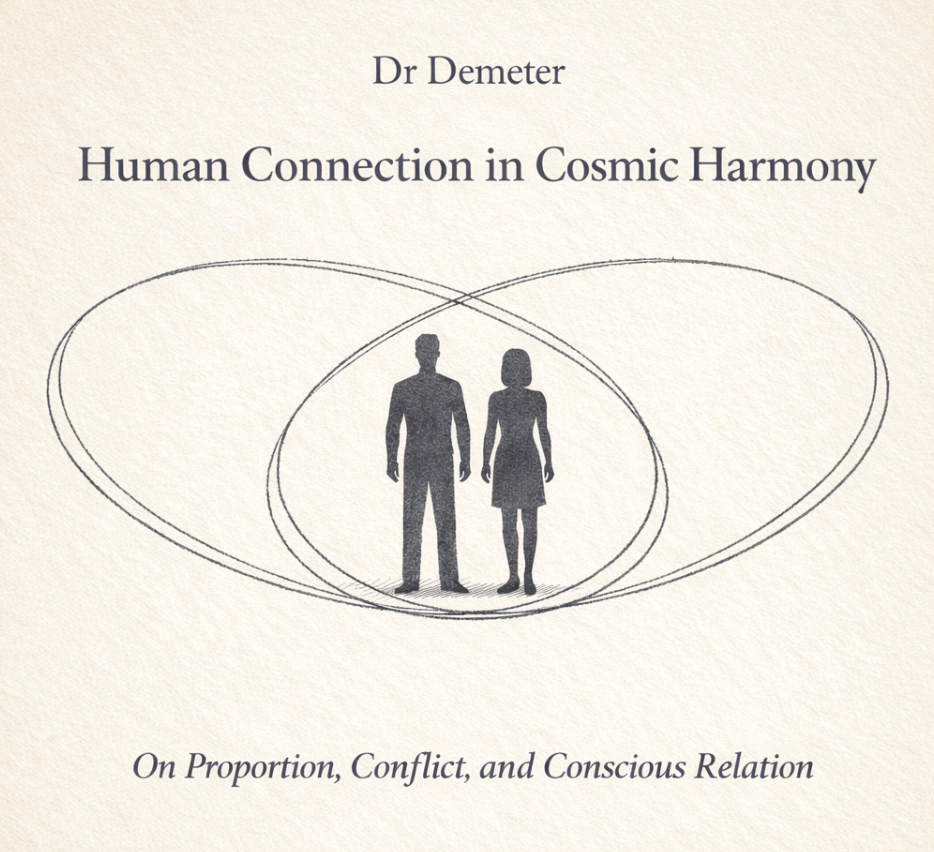
Human relationships are not random emotional weather systems. They are patterned exchanges of etheric rhythm and astral intensity, structured by biography, temperament, and moral development. When two people clash, it is rarely because one is evil and the other pure; more often it is because velocities differ, expectations are unspoken, and inner timing has not been brought into conscious relation. What feels like betrayal may in fact be disproportion.
To understand this spiritually is not to become passive. It requires courage. Rudolf Steiner described the Michaelic impulse as clear thinking warmed by heart strength, a sword that cuts through illusion without cutting the other human being. In community life, this means articulating what matters with precision, naming agreements, restoring boundaries where rhythm has collapsed, and refusing the temptation to dramatise difference into destiny.
If we are serious about localising food, regenerating land, and redesigning economic flow, then we must become scientists of relationship, capable of observing tone, timing, projection, and resonance as carefully as we observe soil structure or seed vitality. A community does not fail because conflict appears; it fails when conflict is misread as cosmic meaning rather than developmental tension. We need more community economies and community in life, so our challenge is here before us.
Plants live almost entirely within the etheric field of rhythm and lawful growth, responding to light, season, moisture, and soil without resistance or narrative, revealing immediately through their form when proportion is disturbed; they do not accuse the sun for burning too hot nor resent the rain for falling late, but adjust according to the conditions given, and in this quiet obedience to pattern they demonstrate that right relationship begins with structure, clarity, and consistency, not emotion. Animals, by contrast, move strongly within the astral realm of feeling and instinct, experiencing fear, attachment, territoriality, and affection with immediacy and intensity, yet without the prolonged storytelling that human beings construct around experience; an animal reacts, expresses, and returns to presence, showing us that emotion itself is not the problem, but the way consciousness clings to and amplifies it.
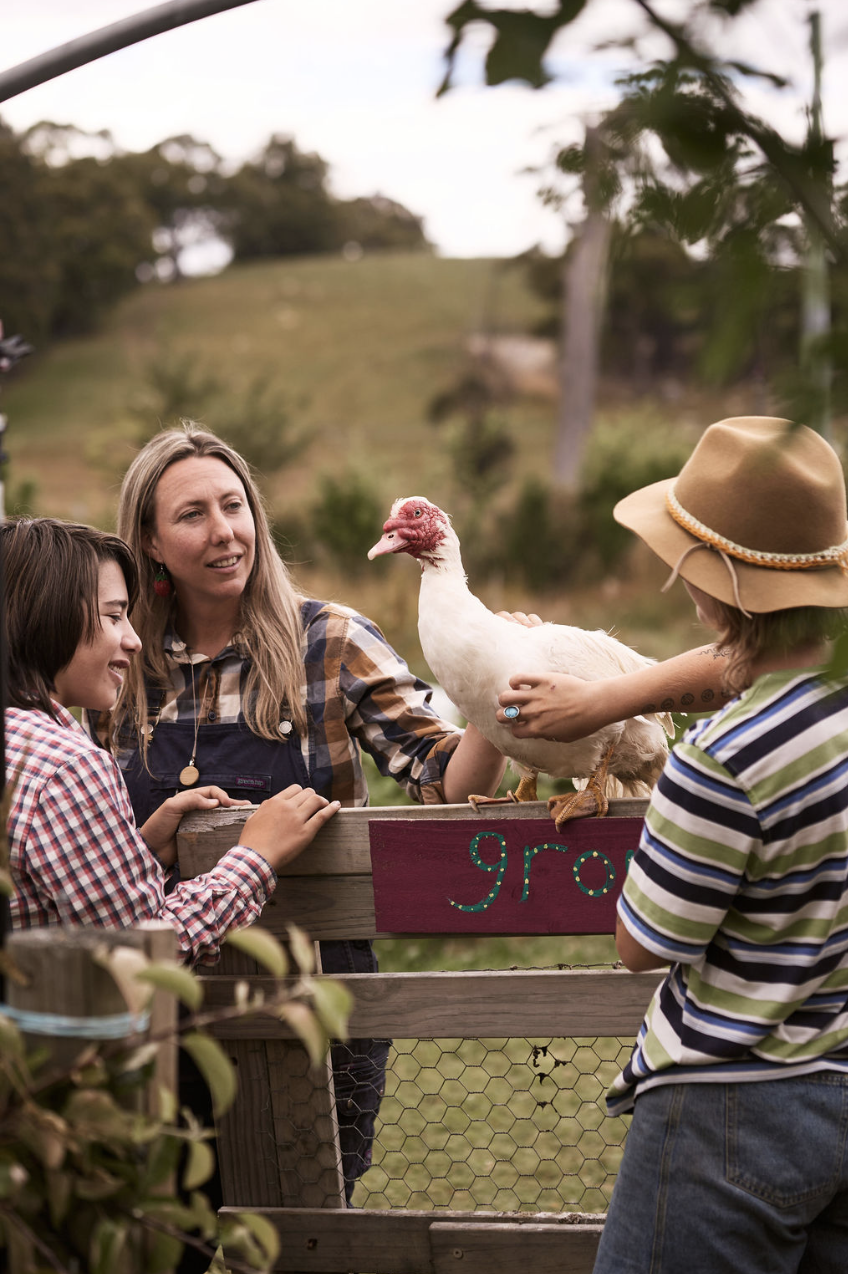
Humans, Plants and Animals Photography by Ness Vandeburgh
Human beings stand between these two kingdoms, carrying both etheric rhythm and astral heat, yet also possessing the self-aware “I” capable of bringing moral proportion into the field; when relationships destabilise, it is often because rhythm has collapsed like neglected soil, or astral reaction has overtaken clarity like a startled herd, and our task is neither to suppress feeling nor rigidly control structure, but to consciously weave them together so that agreements are steady and emotions are honest without becoming tyrannical. Plants teach us lawful pattern, animals teach us authentic feeling, and the human being must learn to hold both within freedom, restoring proportion not through blame, but through conscious relation.
Peace is not the absence of heat; it is heat held within law. Our task is not to eliminate friction but to bring it into proportion, so that what once felt like discord becomes, over time, part of a larger harmony we are mature enough to sustain, and it appears the farm maybe a very good place to learn about these themes?!
Con Viv ‘with life’ & Love
Dr Demeter